
Origins and Traditions of Bolo Rei | Portuguese Christmas King Cake
Bolo Rei is one of the most iconic Christmas cakes in Portugal. Rich in symbolism, flavor, and history, this traditional cake plays a central role in Portuguese holiday celebrations.
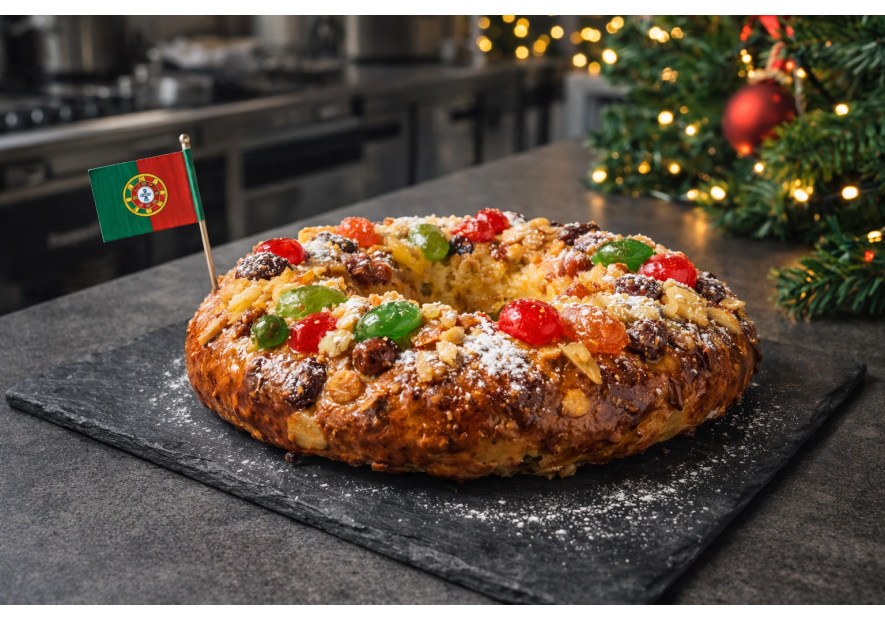
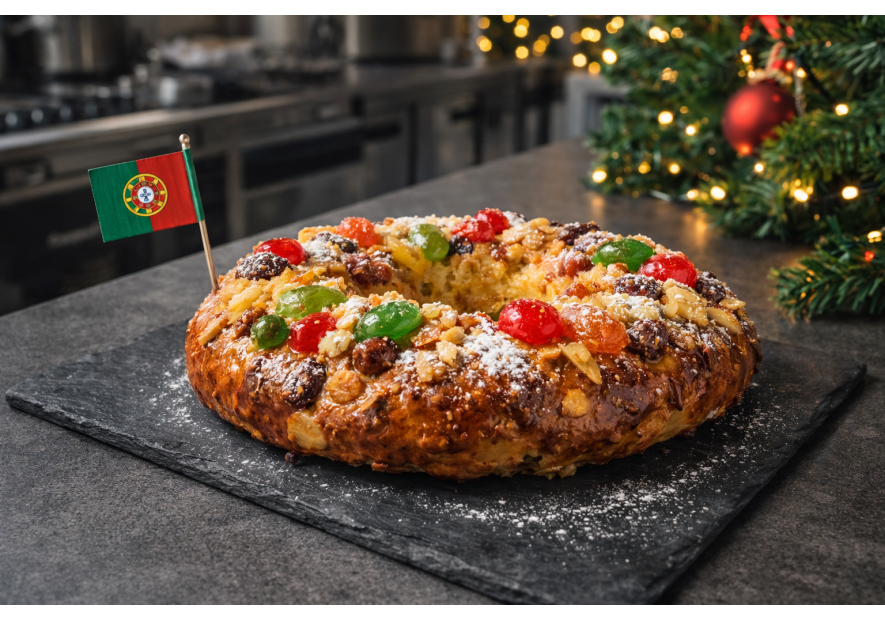
The Bolo Rei is a traditional Portuguese Christmas cake, shaped like a crown and decorated with candied fruits and dried fruits. It symbolizes sharing, abundance, and festive traditions in Portugal.
The origins of Bolo Rei
Bolo Rei dates back to the late 19th century and was inspired by the French king cake. Introduced in Lisbon by the Confeitaria Nacional, it quickly became a staple of Portuguese Christmas traditions.
Why is Bolo Rei eaten at Christmas?
Traditionally enjoyed from Christmas to Epiphany, Bolo Rei represents the crown of the Three Wise Men. Its circular shape symbolizes the cycle of the year, while candied fruits represent precious gifts.
Signature ingredients of Bolo Rei
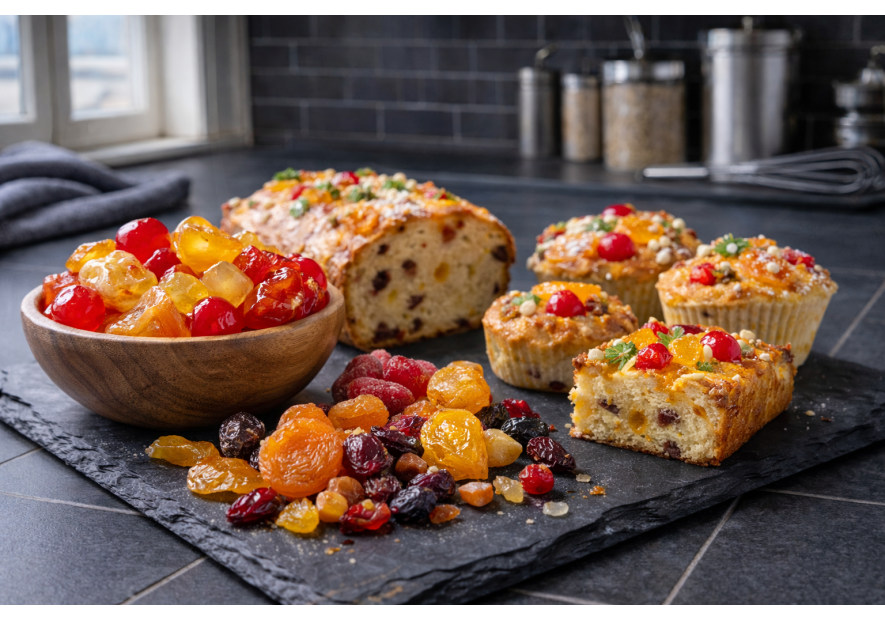
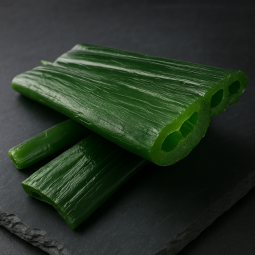
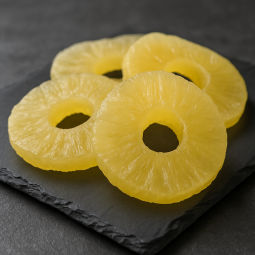
This festive cake stands out for its soft brioche dough enriched with artisan candied fruits and dried fruits. Candied orange peel, cherries, angelica, and melon bring color, texture, and intense flavor.
? Discover the full recipe here: Traditional Bolo Rei recipe
Bolo Rei and family traditions
In Portugal, Bolo Rei is a cake meant for sharing. It is often enjoyed with family, accompanied by coffee or sweet wine, and reflects the spirit of togetherness and celebration.
Bolo Rei vs other king cakes
Unlike the French galette des rois or the Provençal brioche des rois, Bolo Rei is distinguished by its rich filling and strong cultural connection to Christmas traditions.
High-quality candied fruits are essential to an authentic Bolo Rei. Passion du Fruit selects premium candied fruits to elevate traditional festive recipes.


Leave a comment